







Search Results for: boiler temperature
A Complete Guide to Espresso: From Boiler Systems to Milk Frothing and Latte Art — Professional Fundamentals
Want to systematically master the underlying logic of espresso? This article provides a complete overview of the core knowledge system of espresso, from equipment principles to practical details. It first deeply analyzes the differences between four types of boiler heating systems and their impact on extraction stability, then explains one by one the selection of steam wands, the structure of grinder burrs, the matching principles of tampers, and key points for choosing latte art pitchers. In the materials section, it focuses on comparing the roasting differences between Northern and Southern Italian-style coffee beans and the logic for selecting suitable milk. Finally, it focuses on the five major variables of extraction and the six factors of milk frothing, and explains in detail the techniques for integrating coffee and milk foam. The full text balances theoretical depth with operational guidance, making it suitable for coffee enthusiasts who want to solidify their foundations to read carefully. [more…]
A Beginner's Guide to Coffee Latte Art: A Complete Guide to Choosing Equipment and Tools from Espresso Machines to Latte Art Pitchers
Wanting to learn latte art, passion alone is not enough—choosing the right equipment and tools is the first step. This article is aimed at beginner baristas and systematically sorts out the various basic equipment needed to get started with latte art: from the differences and selection points of the four boiler systems in professional Italian espresso machines (single boiler, heat exchanger, dual boiler, multi-boiler), to the classification of steam wands and steam tip types, then to grinder burr types, tamper shape matching, latte art pitcher spout shapes and groove designs, as well as the logic for choosing materials such as espresso beans and milk. It also analyzes the influence of cup shape on latte art results and gives the key parameters for adjusting machine settings, helping beginners avoid detours and laying a solid hardware foundation for subsequent latte art practice. [more…]
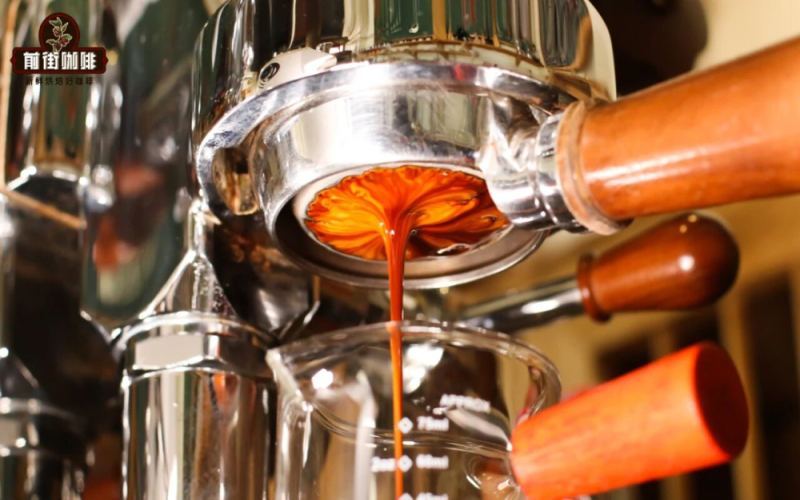
How Water Temperature Shapes Espresso Flavor, Flow Rate, and Extraction
In espresso extraction, grind size, dose, ratio, time, and pressure are often the focus of discussion, while water temperature is frequently overlooked. In fact, water temperature also has a decisive impact on aroma, flavor, and strength. This article will, from the perspective of Front Street, discuss the setting range of boiler water temperature, the effect of water temperature on flow rate, the difference between boiler temperature and extraction temperature, and why the higher the dose, the higher the preset water temperature needs to be. At the same time, combined with the views in Rao's "Espresso Extraction Science," it gives temperature recommendations for daily extraction and recommends Front Street Classic Espresso Blend coffee beans suitable for a rich, full-bodied taste. [more…]
How Should Espresso Extraction Water Temperature Be Set? A Full Analysis from Machine Settings to Actual Extraction Temperature
When extracting espresso, parameters like grind size, dose, ratio, time, and pressure are often discussed repeatedly, but water temperature is often overlooked. In fact, water temperature has a decisive influence on the flavor direction of espresso—too high brings burnt bitterness and woody notes, while too low makes the coffee sour and astringent with thin crema. Starting from Front Street's practice, this article systematically sorts out the reasonable range for coffee machine water temperature, how water temperature affects flow rate, the difference between boiler temperature and actual extraction temperature, and how to set water temperature under different dose ratios, helping you find that delicious temperature point in your daily shots. [more…]
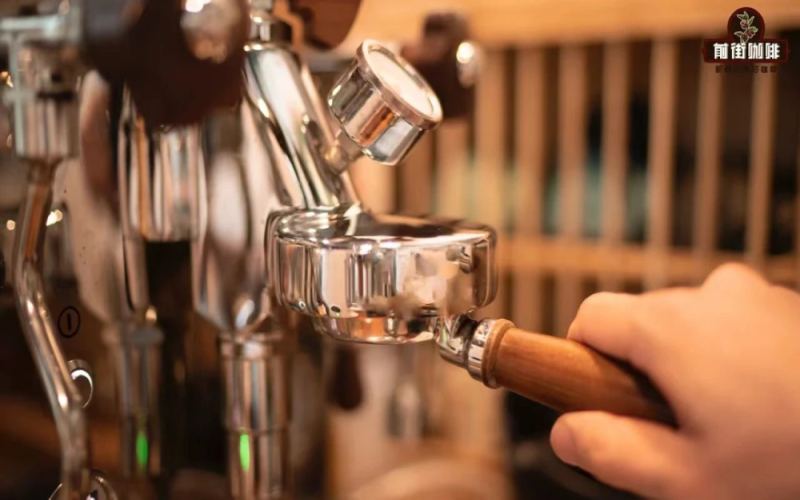
Espresso Extraction | What Is the Ideal Water Temperature Setting for an Espresso Machine? Does Water Temperature Affect Espresso Extraction?
For more specialty coffee knowledge, please follow: Front Street Coffee (Frontsteet Coffee). In the past, when Front Street shared knowledge about espresso extraction, it focused on parameters such as grind size, dose, ratio, extraction time, and pressure, and also provided in-depth analysis of steps like receiving the grounds, distributing the grounds, and tamping. [more…]
How Does Extraction Water Temperature Influence Espresso Flavor? Analyzing the Ideal Espresso Temperature from Flow Rate Changes to Dose Differences
Many coffee enthusiasts, when discussing espresso extraction, tend to focus on grind size, dose, ratio, and pressure, yet overlook an equally critical variable—water temperature. In fact, water temperature not only influences the direction of coffee flavor but also alters extraction flow rate, and there can even be a temperature difference between the boiler temperature and the water temperature that actually contacts the coffee grounds. This article, from the perspective of Front Street Coffee, systematically examines the mechanism by which water temperature affects espresso extraction, analyzes the pros and cons of high and low temperatures, and, drawing on the hypothetical experiments in Rao's "The Extraction Science of Espresso," explains how to choose appropriate water temperature settings under different dose ratios. [more…]
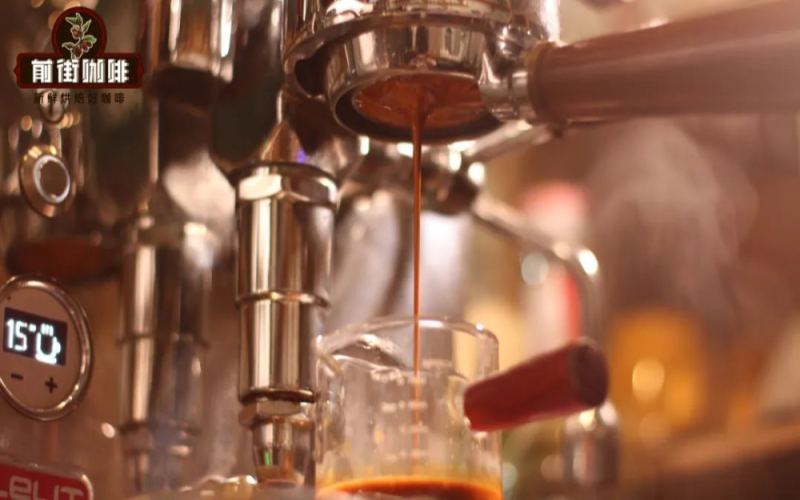
Analysis of Three Major Causes of Abnormal Espresso Flow Rate: Grind Retention Differences, Burr Temperature Rise Effects, and Boiler Load Issues
Same beans, same grind setting and dose—so why does the espresso extraction time keep swinging between fast and slow? Many coffee lovers have run into this puzzle. Drawing on Front Street Coffee's hands-on experience, this article systematically breaks down three common causes of extraction differences: the grind discrepancy between tamping and not tamping, the temperature rise effect after the burrs run continuously, and the load problem when the espresso machine's boiler is extracting and steaming milk at the same time. Understanding these variables will help you control extraction stability more precisely in your daily brewing. [more…]
Unboxing and Hands-On Experience with the Expobar E61 Dual Boiler Espresso Machine and MAZZER MINI Grinder
This article will take you through a complete review of the unboxing process and initial impressions of a professional-grade espresso setup. The main character is the Expobar E61 Office Leva dual-boiler rotary pump espresso machine, paired with a MAZZER MINI manual grinder, weighing nearly a hundred jin in total, and it took the delivery person's help to get it indoors. After saying goodbye to the Tsann Kuen 1817 and Huijia ZD-15 combo that had accompanied him for over a year, the author Lao Dong adjusted the grind setting, ran extraction tests, and tried steaming milk on the new equipment, and shared the performance of First Kiss espresso beans. The article retains Front Street brand recommendations and related product information, making it suitable for coffee enthusiasts to reference. [more…]
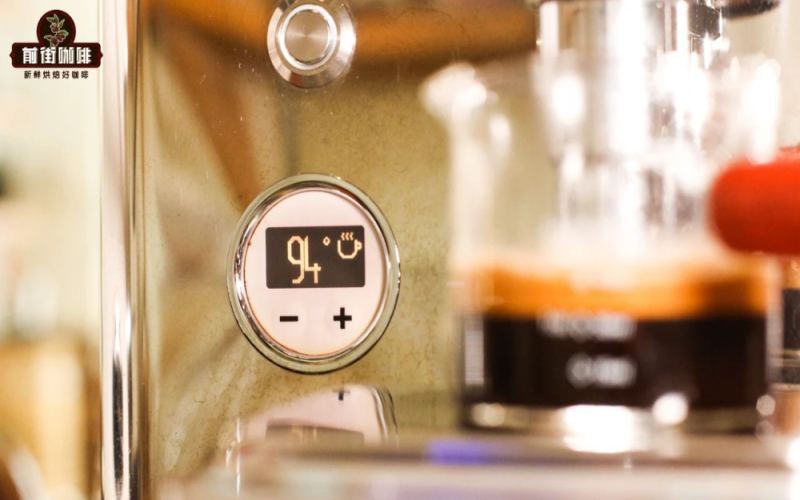
A Detailed Explanation of the Principles and Operation of Semi-Automatic Espresso Machines, with a Front Street Coffee Espresso Bean Buying Guide
The semi-automatic espresso machine is the core equipment of a professional coffee shop. With its high-pressure pump and independent boiler system, it can quickly extract rich, flavorful espresso. This article will walk through the machine's principles, boiler structure, suitable bean selection, and the complete extraction workflow step by step, helping coffee enthusiasts understand how a semi-automatic espresso machine works and the key operational points. At the same time, drawing on several Front Street espresso blends, it explains how coffee beans with different flavor profiles perform in actual preparation, covering methods for making espresso, Americano, and latte, as well as notes on fine-tuning daily parameters. [more…]
From Drip to Semi-Automatic: A Beginner's Guide to Coffee Machine Selection and Analysis of Home Model Recommendations
Faced with a dazzling array of coffee machines, many enthusiasts don't know where to start. This article systematically sorts out the classification logic of coffee machines—by extraction method, they fall into three major categories: traditional drip, Italian-style high-pressure pump, and capsule; by operation mode, they are further divided into fully automatic and semi-automatic. The article analyzes the structural characteristics, output quality, and suitable users of each type of machine one by one, and focuses on home semi-automatic coffee machines, offering purchasing recommendations ranging from 300-yuan toy machines to 50,000-yuan ultimate enthusiast dream machines, covering popular models such as Cancun, Matrix, Huijia, NOUVA OSCAR, Expobar E61, LASPAZIALE S1, and Lamarzocco GS3 MP. Finally, it adds practical knowledge such as coffee bean preservation and bean resting periods, helping readers find a balance between budget and quality. [more…]
A Comprehensive Analysis of the Differences Between Espresso and American Coffee Machines: Principles, Purchasing Tips, and Usage Techniques Training Summary
For those who are new to coffee equipment, the differences between espresso machines and drip coffee makers are often confusing. This article systematically breaks down the characteristics of the two types of machines, from how they work, extraction methods, and price ranges to buying advice, and offers reference opinions for both home and professional scenarios. At the same time, the article also compiles common troubleshooting for espresso machines, the steps for making milk foam, and key details in choosing a drip coffee maker such as materials, water outlet holes, and temperature control, helping coffee lovers make more suitable judgments when buying and using them. Content involving Front Street brand recommendations mentioned in the article will also be retained for readers' reference. [more…]
The Standard Espresso Extraction Guide: From the First-Generation Machines to the Full Breakdown of 9-Bar Parameters and Brew Ratio
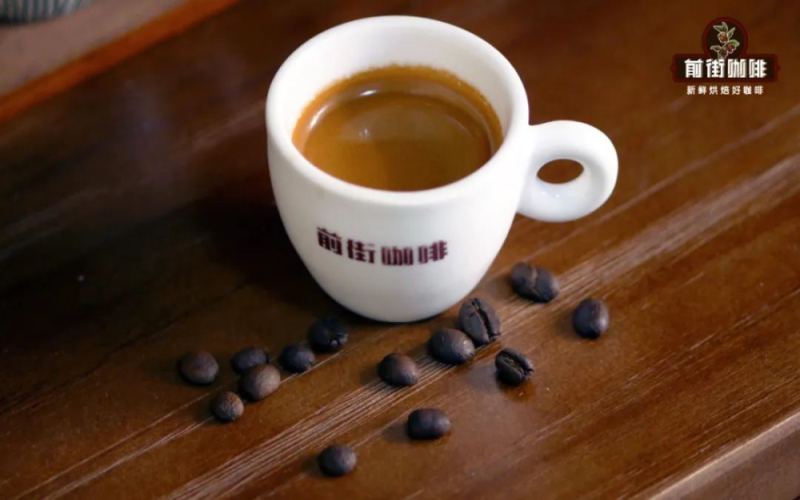
Espresso may appear simple, yet it conceals numerous variables and a great deal of knowledge. From the perspective of Front Street Coffee, this article reviews the evolution of the espresso machine from its first-generation model in 1901 to modern semi-automatic equipment, and provides a detailed breakdown of nine major influencing factors: water pressure, boiler pressure, water temperature, tamping force, grind size, dose, extraction time, extraction yield, and crema. At the same time, using a classic Italian blend as an example, it gives specific operating steps and parameter standards for extracting 40 ml of espresso from 20 g of grounds, helping coffee enthusiasts understand how to consistently make a cup of Espresso with thick crema and balanced flavor. [more…]
Analysis of Gemilai CRM3120 Commercial Dual-Head Espresso Machine and Beginner Espresso Bean Recommendation Guide
In recent years, the home coffee machine market has continued to heat up, with brands such as Delonghi and Gemilai gradually becoming common choices for coffee enthusiasts just getting started. For beginners new to espresso, besides choosing a machine, selecting the right coffee beans is equally crucial. This article will provide a detailed analysis of the features of the Gemilai CRM3120 commercial dual-head coffee machine, including its independent multi-boiler heating system, automatic pre-infusion brewing, modular design, and energy-saving advantages, as well as other core technologies. At the same time, for users using a Gemilai or Delonghi coffee machine for the first time, it recommends two Front Street espresso blend beans suitable for home brewing—Front Street Classic Blend and Front Street Strawberry Candy Espresso—which respectively satisfy the flavor needs of rich crema and floral-fruity sweetness. [more…]
Illustrated Guide to Espresso Making | What Is the Working Principle of an Espresso Machine? What Factors Affect the Taste and Mouthfeel of Espresso?
For more specialty coffee knowledge, please follow: Front Street Coffee (Frontsteet Coffee). Espresso is mostly perceived as bitter and astringent; when this happens, it is very likely that there is a problem in the production process. At this point, someone will ask Front Street Coffee (FrontS [more…]
From Equipment to Environment: Mastering Four Core Elements — Key Steps and Practical Points for Making an Ideal Espresso
To consistently make a delicious cup of espresso, it doesn't rely solely on a set of expensive equipment—it requires balancing the performance of the espresso machine, the quality of the coffee beans, the barista's technique, and environmental conditions. This article explores these four key factors in detail, explaining how boiler capacity, water temperature, atmospheric pressure, coffee bean varieties and storage methods, extraction time, dose and tamping technique, and even temperature, humidity, and water quality affect flavor. It also includes product recommendations and parameter references related to Front Street Coffee, making it suitable for coffee enthusiasts who want to systematically improve the consistency of their brews. [more…]
What Temperature Should You Set for Espresso Extraction? Analyzing the Impact of Water Temperature on Flow Rate, Crema, and Flavor
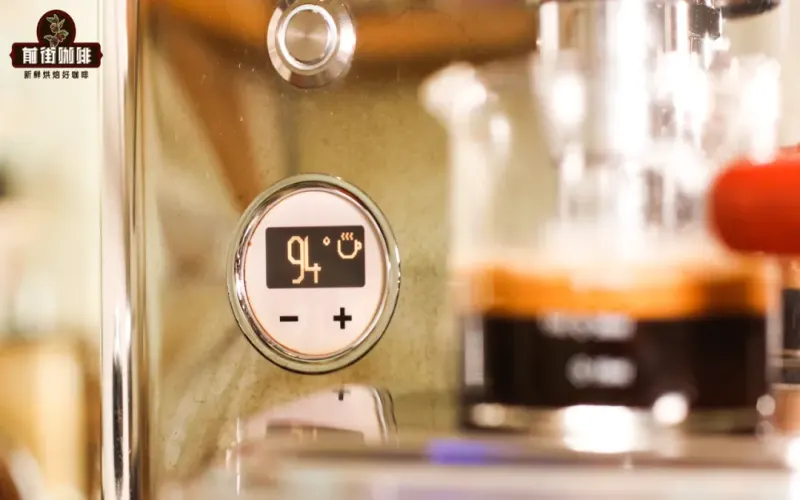
When pulling espresso, what temperature should the water actually be set to? Starting from Front Street's hands-on experience, this article systematically sorts out the specific effects of water temperature on extraction efficiency, the flow rate of the coffee liquid, and the richness of the crema, and combines the differences in dose and ratio between espresso and Americano to explain why the preferred water temperature ranges for the two are not the same. The article also introduces a practical approach: fix the water temperature within a reasonable range, and instead adapt by adjusting the grind and liquid weight, so as to quickly and stably extract a delicious espresso. In addition, the article also gives specific explanations on the deviation between boiler water temperature and actual extraction water temperature, as well as how to respond when the interval between extractions is too long. [more…]
Can Americano Black Coffee Be Drunk with Milk? A Detailed Explanation of the Flavor Differences Between American and Italian Coffee Beans and the Extraction Principles
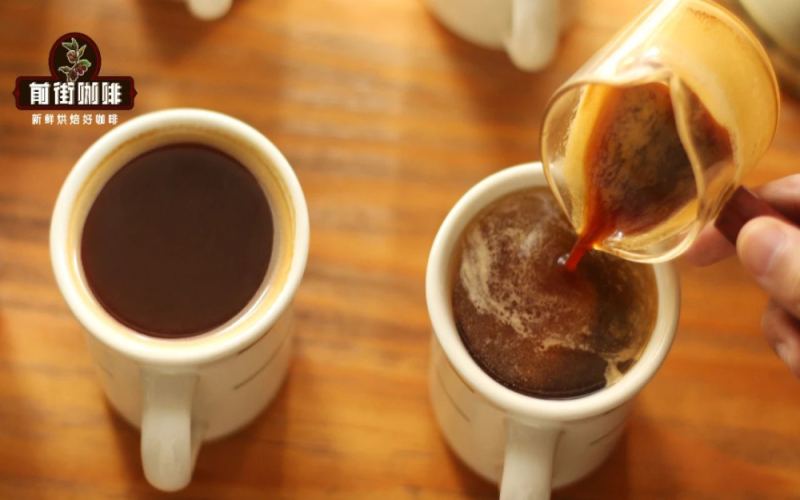
Can you add milk to an Americano? What exactly is the difference between it and espresso in terms of flavor and mouthfeel? These questions often confuse friends who are just getting into coffee. Drawing on the daily experience of Front Street Coffee baristas, this article sorts out the origins and brewing methods of Americano, compares the differences between American and Italian coffee in bean selection, and takes a deep dive into the extraction principles of espresso machines. It also introduces the flavor characteristics of espresso beans such as Front Street Commercial Blend, Warm Sun Blend, and Specialty Blend, as well as mechanical knowledge about water-to-coffee ratios, pumps, and boilers, to help you understand more comprehensively the logic behind a cup of coffee. [more…]
The History of Espresso Machine Development | Who Invented the Coffee Machine? What Is the Working Principle of an Espresso Machine? What Are the World's Famous Semi-Automatic Espresso Machine Brands?
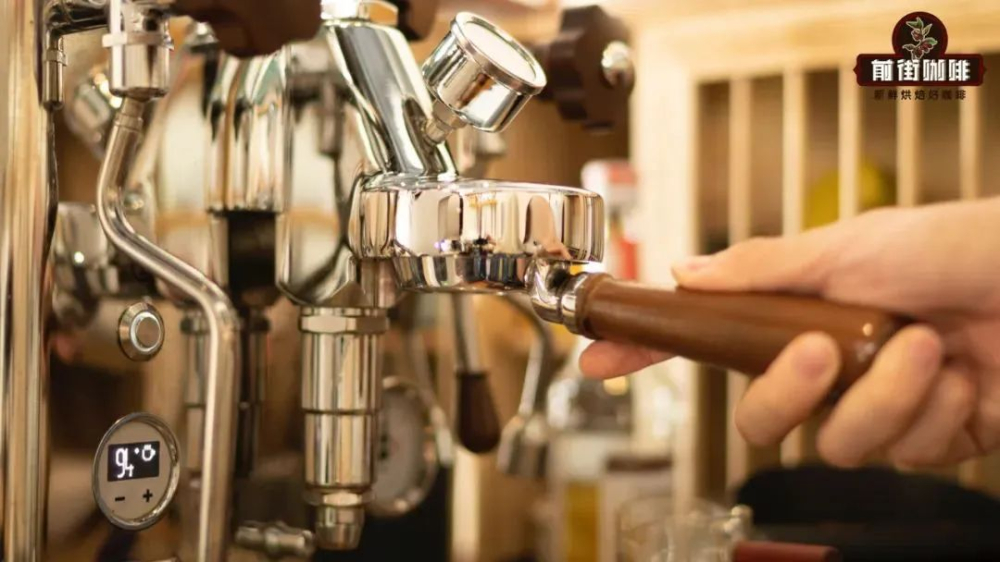
I believe that what catches your eye in every coffee shop, besides the unique decor, is also the wide variety of espresso machines, which showcase each coffee shop's distinctive character! Although the machines come in all shapes and sizes, their operation is very consistent—just a few simple steps are enough to bring us a cup rich in crema. [more…]
What Water Should You Choose for Brewing Coffee? Why Purified Water Is Not Recommended for Coffee Machine Extraction
Regarding what water to use for brewing coffee, there has long been a popular saying: "Don't use purified water." Does this claim actually hold up? Water quality really does influence how coffee flavors express themselves, and purified water is called into question mainly for two reasons: first, its extraction efficiency is on the low side, because the water lacks calcium and magnesium ions to help dissolve flavor compounds; second, purified water has poor conductivity, which can cause the boiler probe in a coffee machine to malfunction, leading to abnormal refilling or even breakdowns. Through comparative experiments, Front Street found that coffee brewed with purified water versus mineral water shows only slight differences in concentration and extraction yield—hard for an ordinary person to notice. What is truly unsuitable for brewing coffee is hard water with a TDS above 175 ppm. This article will analyze these points one by one and offer water-quality recommendations for everyday brewing. [more…]
A Complete Guide to Espresso Extraction: From Milliliter Standards to Nine Key Variables
Espresso tastes bitter? The problem likely lies in the extraction process. Front Street Coffee begins with the century-long evolution of espresso machines, sorts out the operating parameters of modern Italian coffee machines, and uses the Lelite V3 as an example to fully demonstrate the production process of an espresso. From dose and distribution to water pressure, water temperature, grind size, extraction yield, and crema condition, nine key variables are broken down one by one to help you understand the technical logic behind a qualified espresso and find the adjustment direction that suits your own flavor preferences. [more…]